Titanium and biocompatibility are two closely linked concepts in modern dental prosthetics. Thanks to its strength, stability and behaviour in relation to tissues, titanium has become one of the most widely used materials in high-precision dental frameworks.
With over 20 years’ experience in the dental sector, at CNC Dental we have led the constant evolution of this material, perfecting a field that is not new, but rather the result of two decades of customised design and manufacture of highly aesthetic structures.
Milled titanium and sintered titanium
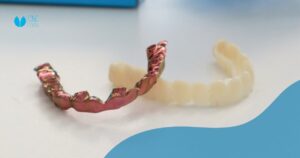
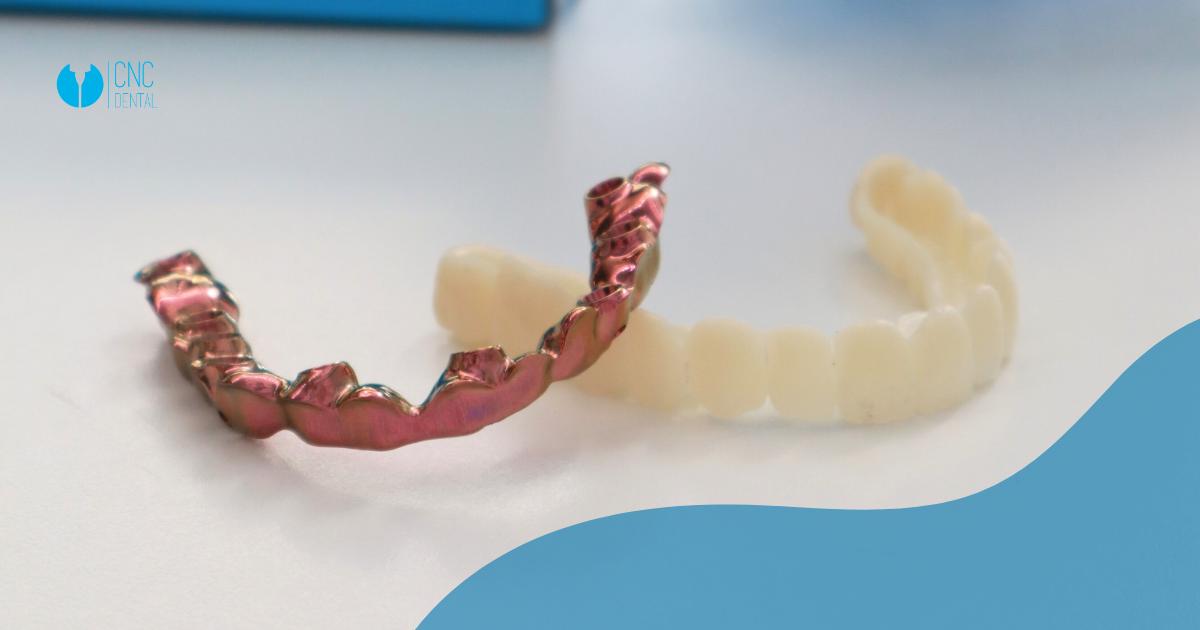
Titanium can be worked by milling or using SLM additive technology (metal 3D printing). Both processes allow for the manufacture of precise structures, although each meets different needs depending on the design and complexity of the case.
In milled titanium, the framework is machined from blocks of material using high-precision equipment. In sintered titanium, the component is manufactured layer by layer from certified metal powder, subsequently requiring post-processing and exhaustive quality control of the finish.
Precision, fit and digital control
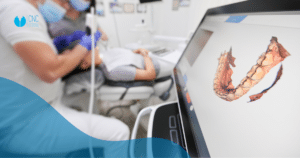
The biocompatibility of titanium depends not only on the material itself, but also on the precision with which the structure is designed and manufactured. Thickness control, fit and prior digital review are key factors in achieving stable and functional restorations.
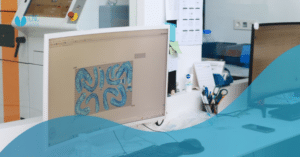
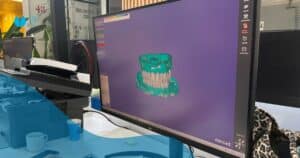
For this reason, prior to manufacturing, CNC Dental carries out an analysis of the STL files and provides technical advice aimed at optimising the design, fit and final quality of each titanium structure.